

With more than 1,000 active users, Fredericton-based Parados is seeking partnerships with long-term care and home care organizations as it scales its gait-analysis software.
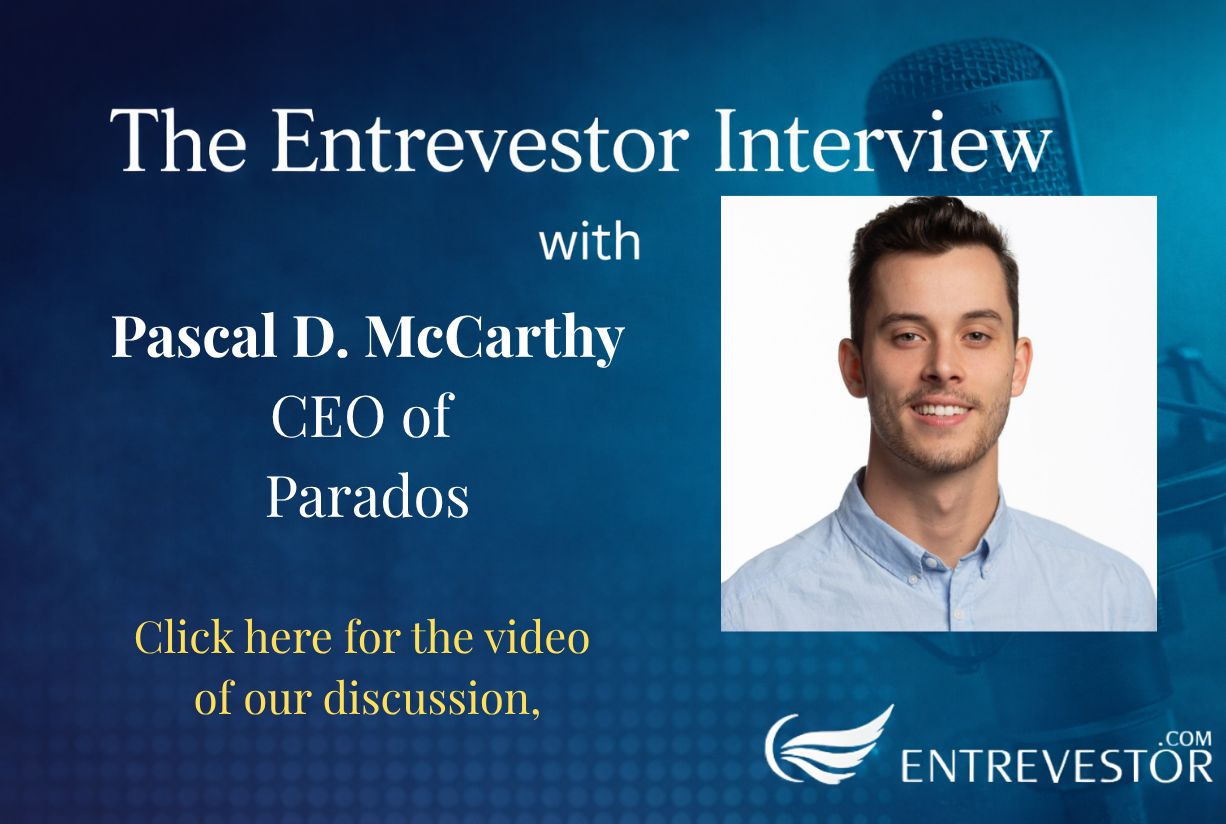
Founder and CEO Pascal McCarthy said in an interview the company blew through the threshold of 1,000 active users and five-digit cumulative sales in 2025, driven by early adopters across research, education, and care settings.
Parados develops software that analyzes video of people in motion. The system is designed to assess gait and mobility without requiring physical contact or wearable sensors. McCarthy said the technology has applications in elder care facilities, where it can be used to monitor residents unobtrusively, as well as in academic and research environments.
“So far, we've partnered with home care, long-term care, and physiotherapy [providers], and we help matchmake where it's relevant,” said McCarthy. “So we're looking for more of those kinds of partners.”
The company is also targeting what McCarthy described as a dual-use market. In addition to health and mobility analysis, the software can be applied to surveillance contexts, including identifying potential threats based on movement patterns. Parados has conducted early work with federal law enforcement on physical readiness assessment, which McCarthy said provided validation for that use case.
Parados positions its platform as a portable biomechanics lab. The system is intended to allow students and researchers to capture and analyze motion data quickly, producing results in about 30 seconds compared with longer traditional workflows. The company also states its technology costs less than 1 percent of conventional motion-capture systems.
The software is not classified as a medical device. Instead, it is designed to track mobility changes over time. McCarthy pointed to a growing body of research linking measurable gait changes to a range of conditions, including Alzheimer’s disease, Parkinson’s disease, various forms of dementia, multiple sclerosis, ALS, and mental health conditions such as depression and anxiety. In healthcare settings, particularly long-term and home care, he said the goal is to detect early changes that may allow for intervention before a crisis occurs.
Parados is already in use at the University of New Brunswick and Dalhousie University, as well as in continuing education programs for clinicians and insurers. McCarthy said the company’s next phase depends on securing institutional partnerships with long-term care providers, economic development agencies, and provincial and federal health organizations focused on aging and healthcare capacity.
The company’s client success platform also automates data collection, administration, and analysis tasks, with the goal of supporting physical training and therapy that can be delivered remotely.
McCarthy, a former professional volleyball player, founded Parados in 2020. He now serves as an athlete-entrepreneur in residence with the Victory Accelerator, which helps athletes launch their own venture.
Asked what to expect from the company in 2026, he said he is now working on making inroads in healthcare.
“From hospitals to physio care centers, wait lists are really long and we're helping cut down those by being able to prepare [patients’] information beforehand and better prioritize resources,” he said. ”Everyone at some point needs healthcare, so hopefully you see us there.”