

Halifax-based marine technology company iNav4U has installed its Zora operating system aboard an Australian yacht competing in a series of offshore races, using the campaign to test and refine the technology.
Zora is running aboard White Spirit, a Beneteau First 50 owned by Cyrus Allen, the immediate past commodore of the Ocean Racing Club of Victoria. The yacht is competing in the 2026 Bass Strait Cup, a three-race campaign culminating in the Melbourne to Hobart race on Dec. 27.
The system integrates navigation, weather, vessel monitoring and onboard electronics into a single interface. iNav4U says it is developing Zora’s ability to learn how a vessel performs, compare forecasts with actual conditions and adjust routing recommendations as circumstances change.
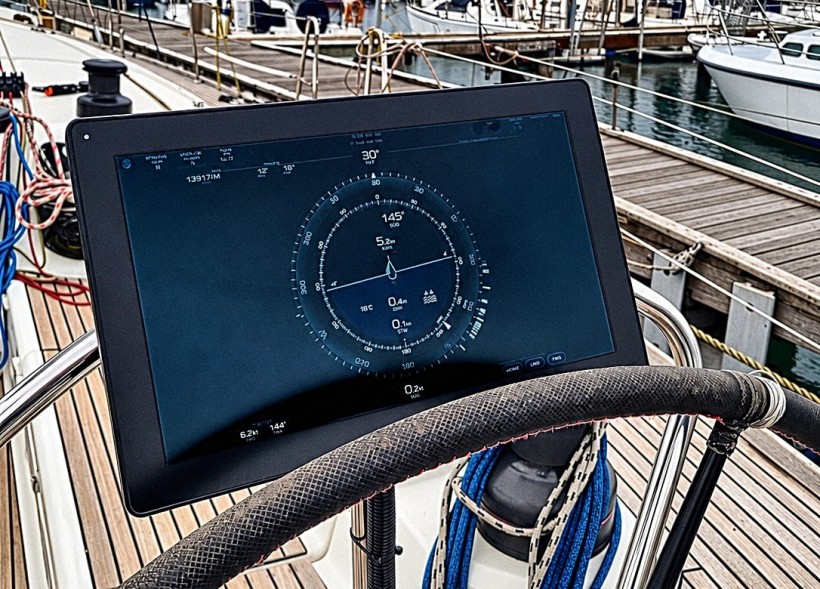
White Spirit has completed its first race with Zora installed. The crew has provided initial feedback on the system’s primary navigation display, and Zora is also controlling the yacht’s Garmin mast displays.
The next race, from Melbourne to Devonport, begins Oct. 30, followed by a race from Port Dalrymple to Three Hummock Island on Nov. 2. Zora will remain aboard throughout the campaign.
Testing and integration are being led in Australia by Matt Price of Vanti Technology, an Australian marine electronics integration business and iNav4U’s authorized dealer.
“Working directly with the White Spirit crew gives us feedback we could never get sitting behind our desks,” said Olivier Hendrikx, iNav4U’s co-founder and chief technology officer. He said the system is intended to support sailors’ decisions rather than replace their judgment.
Allen said he was particularly interested in Zora’s dynamic routing capabilities, which are designed to update route and sail-selection recommendations as weather and sailing conditions change.
iNav4U has spent nine years developing Zora. The Bass Strait Cup campaign will give the company opportunities to assess the system under offshore conditions and incorporate feedback into further development.